New Delhi: India Women Will Want Batters to Find a Higher Gear: Two matches, two wins — on paper, India’s Women’s ODI World Cup 2025 campaign appears to be off to a strong start. But beneath the surface, there’s a brewing concern. Despite victories over Sri Lanka and Pakistan, India’s batting unit has yet to find its full rhythm — a potential red flag ahead of their upcoming clashes against stronger SENA opponents.

So far, India’s batters have managed just two half-centuries — from Harleen Deol and Deepti Sharma — across both games. While the wins were comfortable, the strike rates, lack of partnerships, and inability to dominate the Powerplay overs hint that tougher tests could expose the cracks.
Top Order Troubles
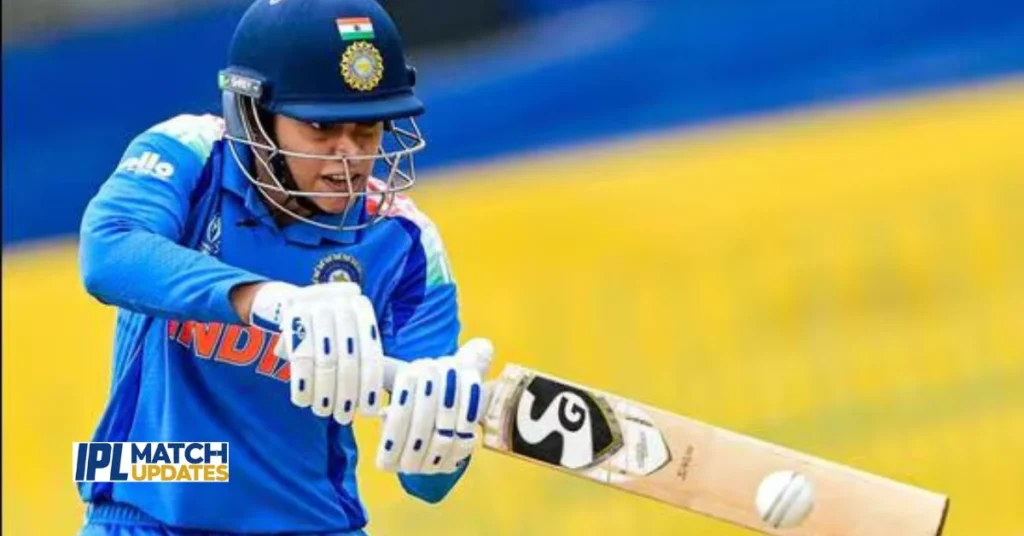
Smriti Mandhana, India’s most dependable top-order batter, has endured a slow start. With only 31 runs from two innings at an average of 15.5 and a strike rate of 73.80, she hasn’t been able to set the early tone. Her struggles on slightly spicy surfaces in Guwahati and Colombo are concerning, especially since India rely on her fluency to control the tempo in the Powerplay.
Captain Harmanpreet Kaur has also been unable to shift momentum in the middle overs. With 40 runs at a strike rate of 75.47, her innings have lacked authority and intent. Positioned at No.4 to accelerate the scoring, her tentativeness has instead caused the run rate to dip during key partnerships with Harleen Deol and Pratika Rawal. For a player known for rising to big-match moments, India need Harman to rediscover her attacking rhythm soon.
Strike Rates a Growing Concern
Even India’s more consistent performers haven’t been able to maintain the scoring pace modern ODIs demand.
Deepti Sharma – 53 and 25 in two innings, but a strike rate of 70.83.
Harleen Deol – Top scorer so far with 94 runs at 47.00, yet striking at under 73.
While both have provided stability, their conservative approach has slowed India’s innings, often forcing rebuilds instead of allowing acceleration.
Middle-Order Sparks But No Continuity
There have been flashes of intent — Sneh Rana’s run-a-ball 28, Richa Ghosh’s 35 off 20 balls (SR 175), and Amanjot Kaur’s composed 57 all provided glimpses of what India’s batting could achieve with sustained aggression. Jemimah Rodrigues too looked fluent with 32 against Pakistan.
However, these cameos haven’t been frequent or strategically optimized. Rodrigues and Ghosh, both capable of turning games around, are batting too low in the order. Promoting them could inject much-needed tempo through the middle overs.
The Road Ahead
India’s upcoming fixtures against South Africa, Australia, England, and New Zealand will test their ability to maintain a run rate above 5 per over. Each of these sides brings a distinct challenge — from South Africa’s pace to England’s variety and Australia’s precision.
So far, India have managed to get by despite inconsistency, but against elite teams, they’ll need more cohesion and urgency. The batting lineup must evolve from playing in pockets to delivering complete innings.
Unless senior batters like Mandhana and Harmanpreet find fluency and strike rates across the board climb into the 90s, India risk entering the tougher stretch of the tournament underprepared. The early wins may look good on the scoreboard, but the reality is clear — India’s batting needs to shift out of second gear and into overdrive to stay in the title race.

Hi, I’m Punith, the founder of IPLMatchUpdates.in. I’ve been following and analyzing IPL and international cricket for over a decade, and my goal is to bring fans accurate news, live updates, and detailed match insights straight from the world of cricket.
Cricket isn’t just a sport to me — it’s a passion. When I’m not writing or sharing updates, you’ll find me analyzing match strategies, reviewing player performances, or debating cricket stats with fellow fans.
Through IPLMatchUpdates.in, I aim to make every cricket lover feel closer to the game we all love.